
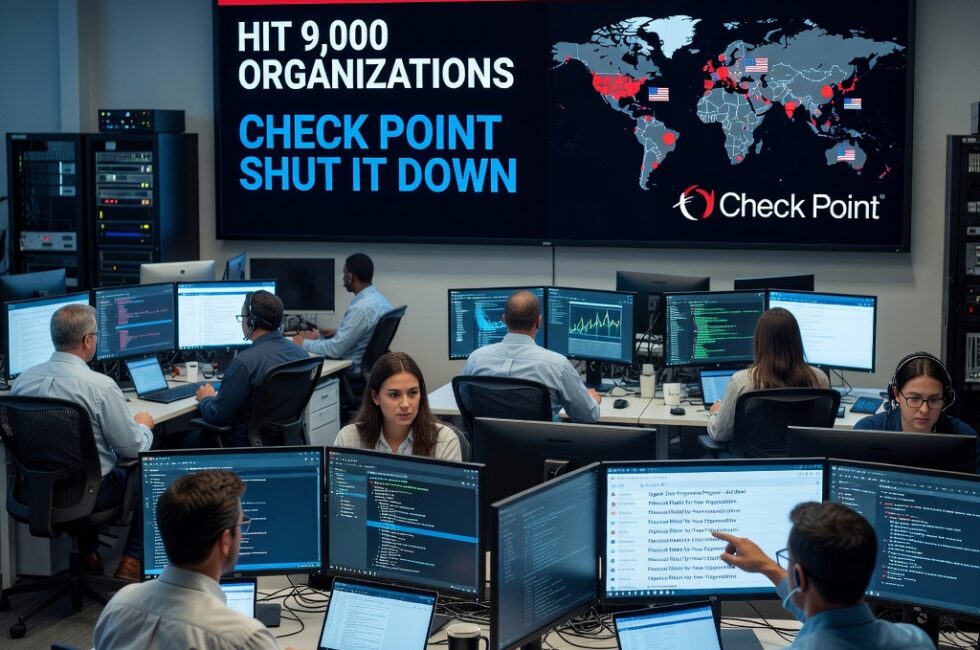
Check Point reported on August 25, 2026 that it identified and blocked a large-scale email phishing campaign using fraudulent financial hardship and debt-relief offers. The campaign targeted more than 9,000 organizations.
That is not a rounding error. That is thousands of workplaces getting hit with emails dressed up as help when money is tight. If you work at a small business, a school, a shop, or a regular office, this was aimed at people like you.
What Check Point actually blocked
The emails used fake financial hardship and debt-relief offers to manipulate people. Check Point identified the campaign and blocked it. No mystery here. Crooks pretended to be the folks who would ease your bills, then tried to get you to take the bait.
Nobody is wiping your debt because they saw your work email. When a surprise message shows up promising relief, a hardship program, or a special financial offer, treat it like a stranger asking for your house keys.
Why fake debt relief gets clicks
People are tired. Medical bills, car payments, student loans, a slow season. Scammers know a stressed person is more likely to click first and think later. They write like a lifeline on purpose.
They send this to work inboxes for a reason. One employee clicks, and the problem is no longer one person. It is the company’s email, files, and customer data in the blast radius.
When one of these lands, the only winning move is not to play.
What this looks like in a real inbox
- Unexpected notes about debt relief, hardship programs, or limited-time financial help
- Links that want you to verify an account, claim a benefit, or confirm personal details
- Senders that look close to a real bank, agency, or relief program but are not quite right
- Pressure to act now, before you can pick up the phone and check
If you did not apply for debt help, you are not getting a surprise approval at work. Full stop.
What regular people and small shops should do
You do not need a giant security team. You need habits that actually work.
- Do not click links in unexpected money-help emails. If you have real business with that outfit, go to the real site yourself.
- Look at the sender and the link. If it looks off, it is off.
- Never enter bank logins, Social Security numbers, or payroll credentials from an email you did not expect.
- If you are not sure, ask someone. A 30-second conversation beats a month of cleanup.
- Report the message to whoever handles IT or your email provider, then delete it.
The crooks count on regular people being too busy to look twice. Look twice. This wave hit more than 9,000 organizations. Check Point blocked it. The next one will not wait for a blog post.