
That One Click You Should Never Make
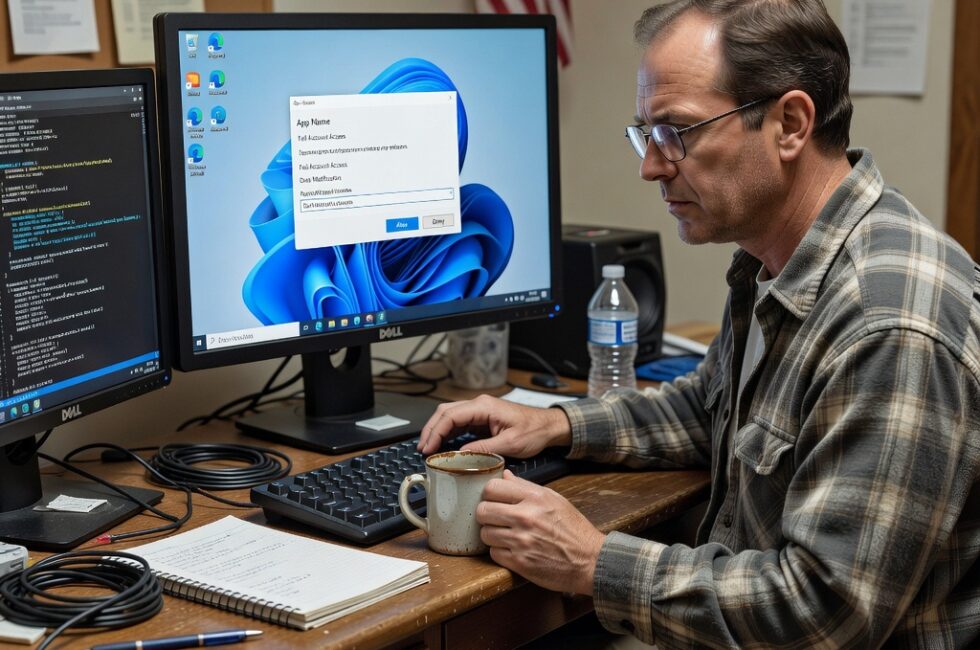
Picture this. You get an email or message pushing an app that promises to organize your inbox or sync your files. You click approve on the OAuth screen without reading every line. Done. The attacker now walks right into your accounts like they own the place.
The story here is simple. Malicious apps are using OAuth approvals to bypass passwords entirely. One approval grants broad permissions like reading all your email, accessing contacts, or pulling files from cloud storage. No password needed after that point.
How This Hits Regular Folks
Most people use Google, Microsoft, or similar services for work and home. When an app gets that OAuth green light, it can sit there quietly pulling data for months. Your mom checking email on her laptop or your son managing school projects could lose control without ever typing a password wrong.
This is not some far-off corporate problem. It lands on normal accounts where people keep personal photos, client lists, tax documents, and family messages. One bad approval and suddenly someone else controls the flow.
What Actually Happens in These Attacks
Attackers set up fake or compromised apps that look legit on the approval screen. The request hides the real scope of access behind vague language. Once granted, the app can keep using the token even if you change your password later. It is clean and quiet.
Security reports show these approvals often target Microsoft 365 and Google Workspace users because those systems power so much daily work. The attacker does not need to break in. You open the door.
Practical Steps That Actually Work
- Review connected apps in your Google or Microsoft account settings every few months and revoke anything you do not recognize.
- Read the permission list carefully before hitting approve. If it asks for full email access just to sort your inbox, walk away.
- Use separate accounts for work and personal stuff so one breach does not empty everything.
- Turn on extra verification steps and watch for unexpected login alerts.
Systems either work for you or they work against you. OAuth was built for convenience, but convenience without checks hands the advantage to the wrong people.
Keep your approvals tight. Check them often. That is the real fix.
Primary Source: https://cybersecuritynews.com/one-malicious-oauth-approval/