
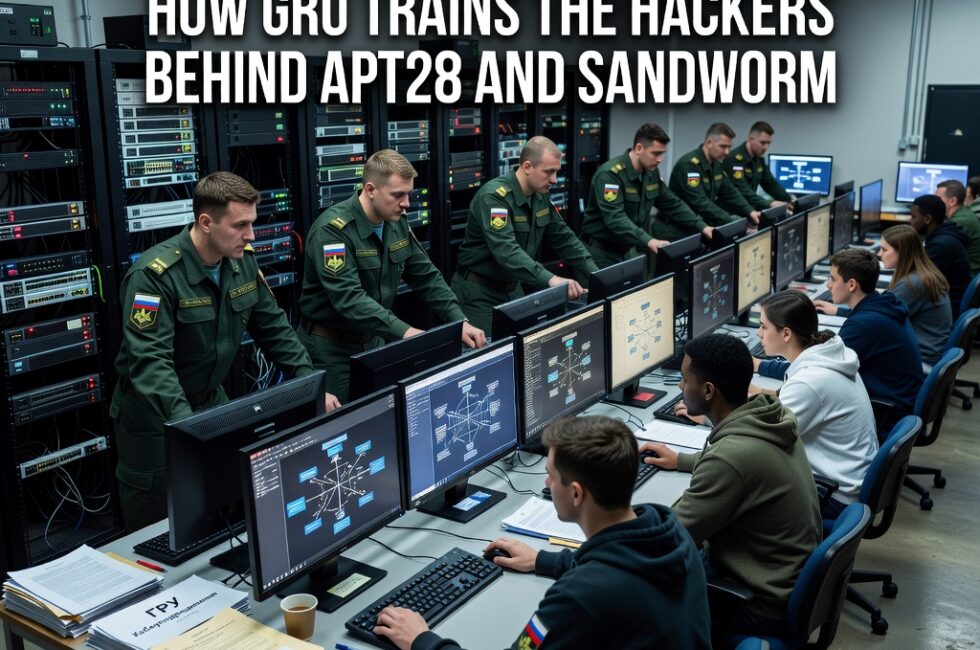
Leaked records from a Russian university just put hard documentation behind a military cyber training program tied to GRU units APT28 and Sandworm. That is the story. Russia has been using school as a feeder system for state hackers, and the paperwork got out.
If you are not in cybersecurity for a living, here is why you should still care. APT28 and Sandworm are not brand names on a slide deck. They are GRU crews, Russia’s military intelligence, and they have spent years going after governments, companies, and the kind of infrastructure regular people actually use.
What the university records point to
A report published August 28, 2026 describes leaked university records that reveal a Russian military cyber training program linked to those GRU units. This is not a tale about a single gifted kid with a laptop. It is a pipeline. Classroom to unit. Training to operations.
I am not going to dress it up with details the report does not give you. No fake headcounts. No invented course names. The claim that matters is the structure. A university. Military intelligence. Two of the best known GRU hacking units on the far side of that process.
APT28 and Sandworm in regular-people terms
APT28 is the GRU group a lot of folks call Fancy Bear. Their reputation is stolen mail, targeted phishing, and long political and military collection jobs. Sandworm is the GRU unit tied to destructive work, including hits on power systems and the NotPetya outbreak that wrecked companies that had nothing to do with the original fight.
One side steals. The other side breaks. Same service, different jobs. When a school is feeding that service, you are looking at a factory, not a fluke.
Why the pipeline is the real story
Tools are cheap. People who can follow orders and not burn the operation are not. A university gives the GRU classrooms, labs, a way to pick talent, and a civilian wrapper that looks like ordinary education until someone leaks the records.
That is the part that should make you sit up. Burn one operator and the next class is already enrolled. This is how a system keeps working after the headlines move on.
- Training is ongoing, not a one-time recruiting binge.
- A school setting is easier to hide in plain sight than a named military shed.
- Graduates can be tasked against governments, vendors, or anyone sitting on a useful network.
- The supply of operators does not end because one campaign got named in a report.
What you can actually do with this
You are not going to shut down a GRU school from your kitchen table. You can stop treating state hacking like lightning. Lightning is random. This is organized. Small businesses, clinics, towns, and suppliers get hit because they are softer than a ministry and still connected to something worth taking.
- Finish your patches. Unfixed software is still the open window.
- Turn on multi-factor authentication on email, banking, and admin logins.
- Keep backups that are offline or otherwise out of reach, and test that they restore.
- Treat unexpected attachments and fake login pages as hostile. APT28 built a career on that mistake.
- If you run a shop, write down who you call when systems die. Do it before you need it.
I look at life as systems that either work or they do not. Theirs works. Ours only works if we do the boring defensive stuff and stop hoping we are too small to matter. You are not too small. You are just next to someone who is not.
Check the backups. Then check them again.
Primary Source: https://cybersecuritynews.com/russian-university-leak/